


No products in the cart.
How to Choose the Right Bathroom Sink Material
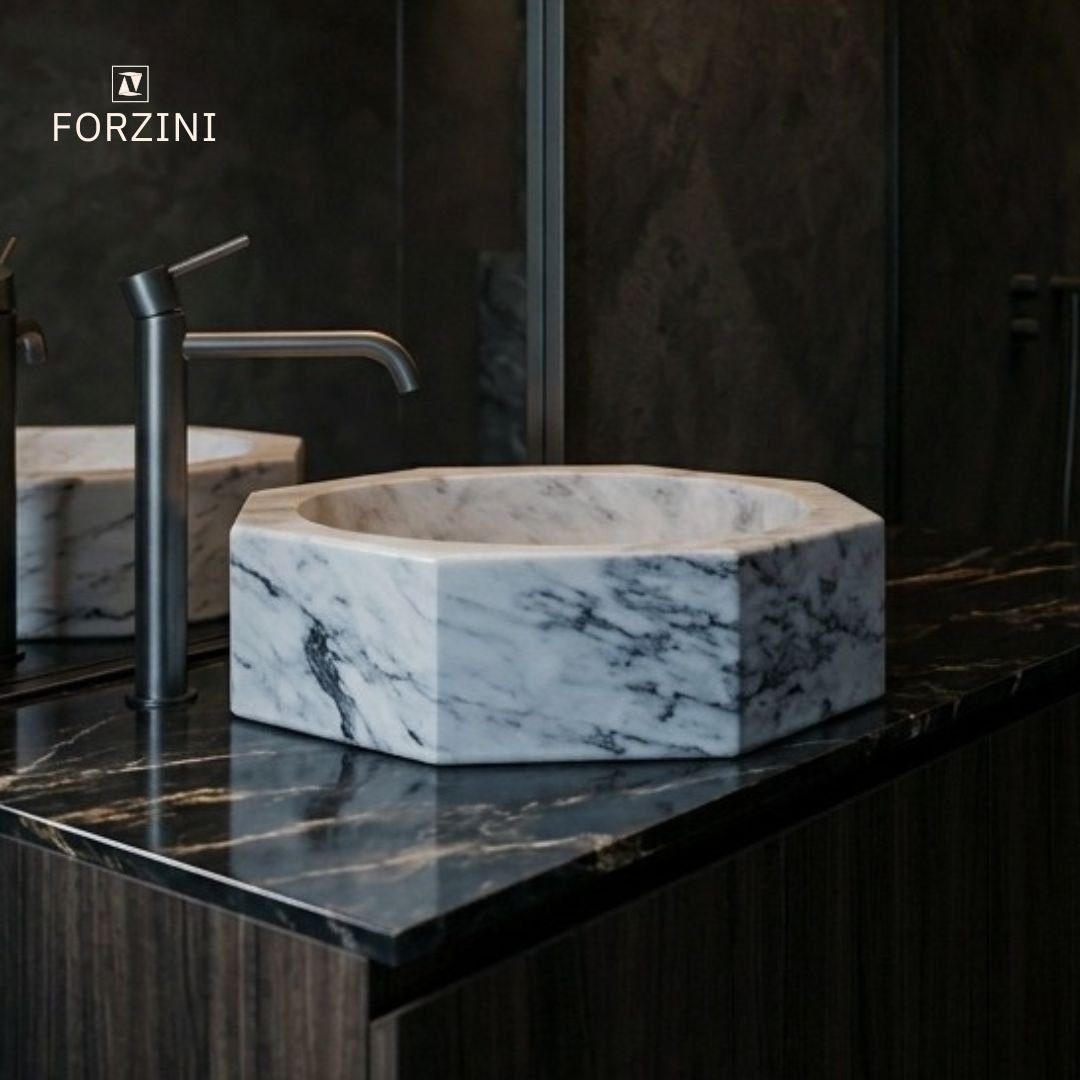
How to Choose the Right Bathroom Sink Material
Choosing a bathroom sink may seem like a minor detail during a renovation, but it’s one of the fixtures you’ll use every day. The material you select influences not only the appearance of your bathroom, but also its durability, maintenance requirements and even its environmental impact.
With so many options available — from porcelain and engineered stone to stainless steel, acrylic and natural stone — making the right choice can feel overwhelming.
This guide explores the strengths and weaknesses of each material, helping you understand which option best suits your lifestyle, design preferences and long-term expectations.
Porcelain Sinks: A Timeless Favourite
Porcelain has been a popular choice for decades, and for good reason. It offers a clean, classic appearance that complements almost any bathroom style while remaining practical and affordable.
Why choose porcelain?
Porcelain sinks have a smooth, non-porous surface that resists stains and is easy to clean. They’re widely available, cost-effective and designed to fit most standard vanity units, making them an excellent choice for family homes, rental properties and budget-conscious renovations.
In recent years, coloured porcelain sinks have grown in popularity. Shades such as deep green, matte black and soft blue provide a stylish alternative to traditional white, while matte finishes bring a contemporary, understated elegance that works particularly well in minimalist and Scandinavian-inspired interiors.
What are the drawbacks?
Although porcelain is highly durable, it can chip if struck by a heavy object, and repairs are rarely invisible.
Dark matte finishes, while visually striking, require more frequent maintenance. Soap residue, limescale and water spots tend to show much more clearly than on glossy white surfaces, often requiring the sink to be wiped down after every use to maintain its appearance.
Porcelain remains a dependable and attractive option, but homeowners seeking something more distinctive or with greater longevity may wish to explore natural alternatives.
Natural Stone Sinks: Beauty That Lasts
Natural stone sinks, carved from materials such as marble, travertine, basalt or onyx, offer a level of authenticity that manufactured materials simply cannot replicate.
Each sink is sculpted from a single block of stone formed over millions of years, meaning every piece has its own unique veining, texture and colour variation.
Why choose natural stone?
Many people are surprised to discover that natural stone is far easier to maintain today than it once was. Modern pH-neutral cleaning products make everyday care straightforward, while periodic sealing is only required depending on the type of stone.
Beyond its visual appeal, natural stone offers exceptional durability and a reassuring sense of solidity. Unlike engineered materials, it contains no synthetic resins or binders, making it an appealing option for homeowners seeking more natural products.
One of its greatest advantages is longevity. Minor scratches or signs of wear can often be polished away, allowing the surface to be restored rather than replaced. It also tolerates heat exceptionally well and develops character over time, ageing gracefully instead of deteriorating.
Whether incorporated into a contemporary or traditional bathroom, natural stone brings warmth, individuality and a sense of permanence that few other materials can match.
Points to consider
Natural stone is heavier than most alternative materials, so it requires suitably robust cabinetry or support.
Some stones can react to acidic cleaning products, making pH-neutral cleaners the safest choice. Fortunately, this becomes second nature for most homeowners and is comparable to caring for other natural materials such as wood or leather.
For those who appreciate authentic materials that improve with age, natural stone offers an excellent balance of practicality, durability and timeless design.
Engineered Stone: Consistent and Contemporary
Engineered stone combines crushed minerals with resins and pigments to create a uniform, precisely manufactured surface.
Its consistency and modern appearance make it particularly popular in minimalist interiors.
Where it performs well
Engineered stone is non-porous, resistant to everyday bathroom stains and easy to clean. Manufacturing allows for highly precise shapes, contemporary designs and consistent colouring across product ranges.
Pricing is generally predictable, making it easier to compare different models without the natural variations found in genuine stone.
Its limitations
Despite its practical qualities, engineered stone behaves differently from natural materials.
The resin content makes the surface more susceptible to fine scratches caused by jewellery, watches or abrasive cleaning pads. Dark or matte finishes tend to highlight these marks more readily.
Repairability is another limitation. Chips or cracks usually cannot be polished away and often require complete replacement of the sink.
Over time, prolonged exposure to harsh cleaning products or constant water flow may also cause subtle dulling or colour changes. Limescale deposits can be more noticeable on textured or matte surfaces, sometimes requiring additional cleaning effort.
From an environmental perspective, engineered stone contains synthetic binders that reduce its recyclability compared with natural alternatives.
It remains an excellent choice for homeowners seeking a clean, consistent aesthetic, provided they understand how the material ages over time.
Stainless Steel Sinks: Industrial Style Meets Modern Design
Long associated with commercial kitchens, stainless steel has increasingly found its place in contemporary bathrooms thanks to its minimalist aesthetic and exceptional durability.
Why choose stainless steel?
Stainless steel is lightweight, hygienic and naturally resistant to rust and corrosion. It pairs beautifully with concrete, glass and darker finishes, making it particularly suited to industrial or modern interiors.
High-quality models manufactured from thicker steel provide a premium feel and impressive longevity.
Everyday considerations
One of the biggest practical drawbacks is the visibility of water spots and soap residue. Even clean water can leave noticeable marks under bathroom lighting, meaning regular wiping is often necessary to maintain a spotless appearance.
The surface will also develop fine scratches over time, while running water tends to create more noise than on porcelain or stone sinks.
Design choices remain relatively limited, and the metallic finish may feel too clinical in bathrooms designed around warmer, more natural materials.
It’s also worth noting that premium stainless steel sinks can be surprisingly expensive, particularly those featuring thicker gauge steel or specialist finishes.
When incorporated into a carefully considered modern design, however, stainless steel can create a striking architectural statement.
Acrylic Sinks: Practical and Affordable
Acrylic sinks are manufactured from moulded plastic reinforced with fibreglass, making them lightweight and inexpensive.
They’re commonly found in rental properties, prefabricated bathrooms and budget renovations.
Their advantages
Acrylic is easy to install and available in a wide range of shapes, colours and styles. For guest bathrooms or spaces that see relatively light use, it offers a cost-effective solution.
Their disadvantages
In everyday use, acrylic scratches easily, even through normal contact with jewellery or soft cleaning sponges. Over time, these marks accumulate, leaving the surface looking dull and worn.
The material is also vulnerable to abrasive cleaners and certain chemicals, which can permanently damage its finish. Colour fading may occur after prolonged exposure to cleaning products or constant running water.
Like polished stainless steel or glossy porcelain, acrylic tends to show water marks and soap residue, often requiring frequent wiping to maintain its appearance.
Although suitable for temporary or budget-conscious projects, acrylic generally lacks the longevity and premium feel of alternative materials.
Choosing the Best Material for Your Bathroom
Every sink material comes with its own advantages and compromises. There is no universally perfect choice — only the one that best aligns with your lifestyle, design preferences and maintenance expectations.
Natural stone offers individuality and exceptional longevity. Porcelain remains a trusted classic with broad appeal. Stainless steel suits contemporary, industrial-inspired spaces, while engineered stone provides consistency and modern styling. Acrylic, meanwhile, delivers affordability where budget is the primary consideration.
The most effective way to choose is to think beyond appearance. Consider how much maintenance you’re prepared to undertake, whether repairability matters, how intensively the sink will be used and the atmosphere you want to create in your bathroom.
When these practical factors are weighed alongside aesthetics, the right choice usually becomes clear. The best bathroom sink material isn’t simply the most expensive or the most fashionable—it’s the one that will continue to suit your home and your daily routine for many years to come.
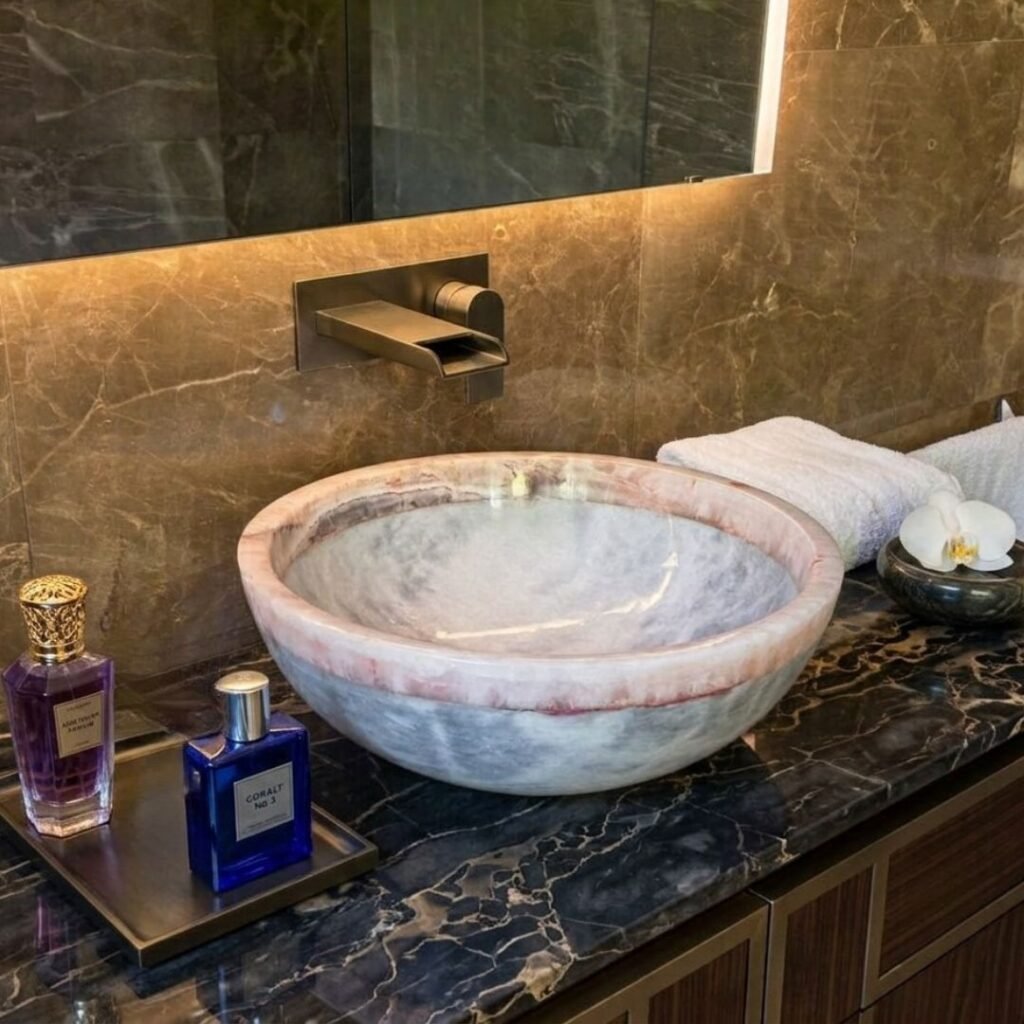
Easy Tips for Marble Sink Maintenance
Marble Sink Maintenance Made Easy Many people believe that a marble sink is difficult to maintain. In reality,

Decorative Weights – A New Concept for Home Exercise
Decorative Weights for Training and Modern Home Aesthetics For decades, gym equipment has been defined by a single
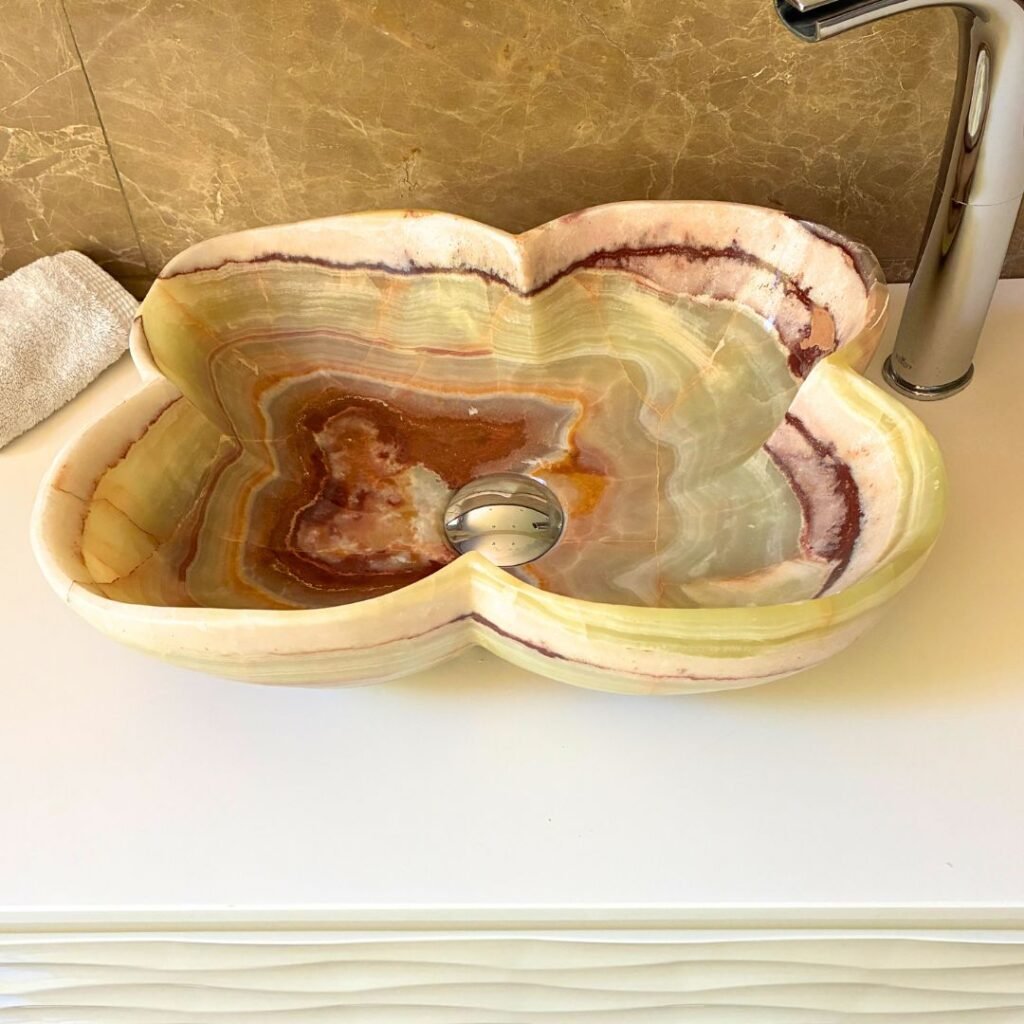
How to Clean a Stone Sinks – Complete Care Guide
How to Clean Stone Sinks: A Complete Guide to Caring for Marble, Onyx and Other Natural Stones Stone